
How to Come Back to an Instrument After Years Away
A long break rarely erases musicianship, but it does reduce stamina and stability. This guide shows returning players how to rebuild without overreaching.
Pract.is Editorial
Research-based practice guidance for musicians from the Pract.is editorial team.
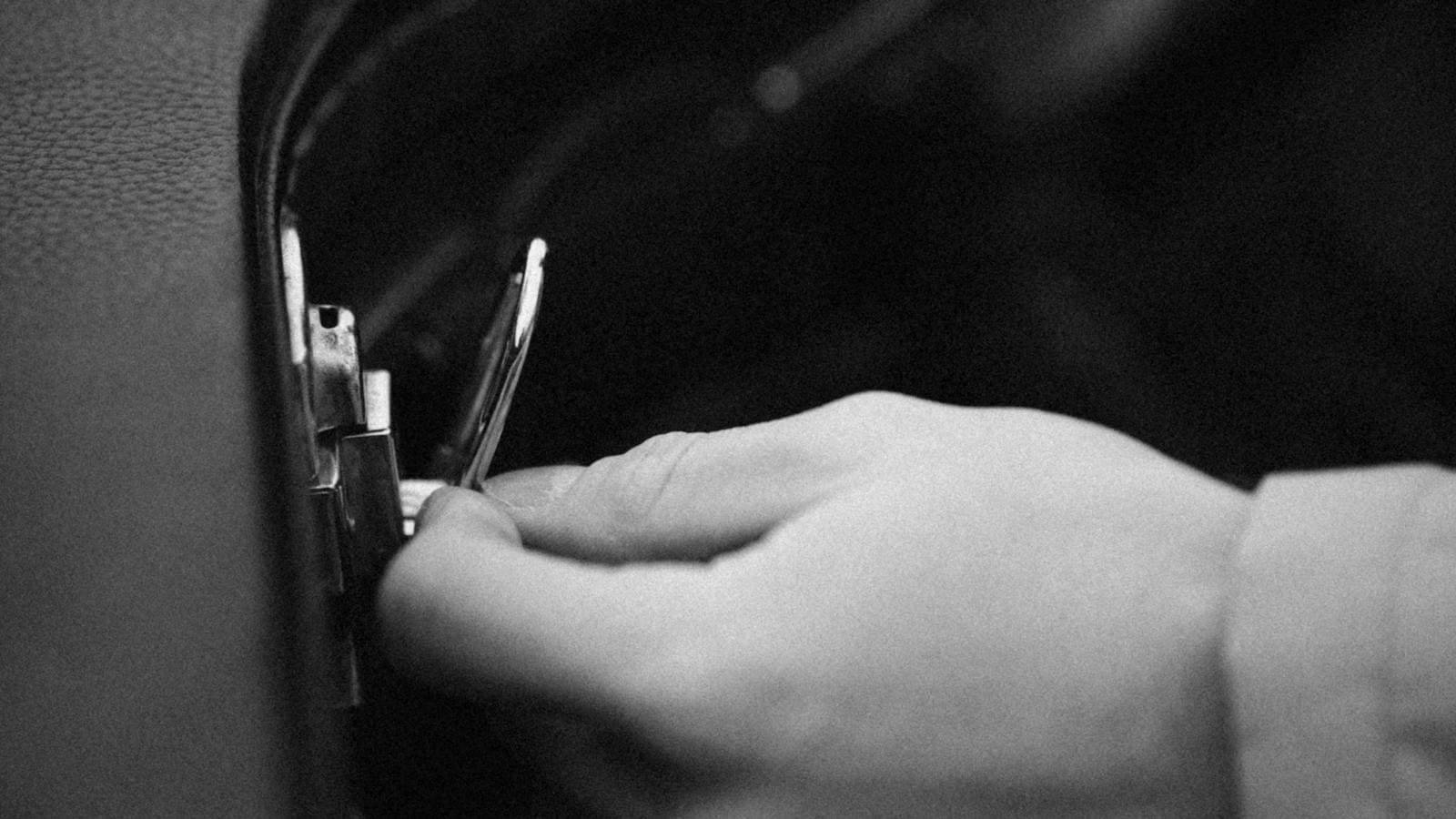
A long layoff rarely erases musicianship. What it usually does is split what you still know from what you can still do comfortably on demand. That is why coming back after years away can feel so strange. Familiar sounds, shapes, and musical instincts are still there, but stamina, reading fluency, and mechanical control do not show up at the same speed.
The useful comeback plan is not to test whether your old level still exists. It is to separate memory from current capacity, rebuild them on purpose, and make the first month small enough to survive.
What usually stays is more than it feels like
Returning players often assume they are basically beginners again because the first session feels clumsy. That is usually the wrong conclusion. What disappears first is smooth execution, not everything that used to support it. You may still recognize fingerings, hear phrasing choices in your head, remember how repertoire is structured, or orient yourself on the instrument much faster than a true beginner would. That matters because a comeback works better when it starts from retained skill rather than from humiliation.
There is real evidence behind that intuition. In Does a non-practiced cognitive automatism withstand the test of time?, musicians who had stopped practicing for at least three years still showed automatic note-naming effects, and that effect was still observed in a subset who had stopped for more than 10 years. Erika Skoe and Nina Kraus found something similar from a different angle in their Journal of Neuroscience study: adults with childhood music training still showed more robust neural responses to sound than adults with no past training, and those responses were stronger when training had been more recent. Neither finding means your playing is intact. Both findings support the more practical point that earlier training leaves traces that do not simply vanish because the habit stopped.
Motor-learning research makes the same general point with the idea of savings, or faster relearning after prior learning. In Two ways to save a newly learned motor pattern, Ryan Roemmich and Amy Bastian describe how prior learning can speed later relearning. That study is not about instruments, but the principle transfers well: returning players are often relearning faster than they realize because the earlier system never fully disappeared. The right reaction to that is not overconfidence. It is to use that retained familiarity as a base instead of wasting energy pretending you are starting from zero.
| What often survives | What often feels rusty | Best early test |
|---|---|---|
| Recognition of patterns, shapes, and sections | Clean execution at speed | Play easy familiar material well below ego level |
| Musical judgment and phrasing ideas | Timing reliability under pressure | Use short no-stop runs and notice where pulse slips |
| General layout of the instrument | Reading fluency and anticipation | Read something easy enough to stay moving |
| A sense of what good playing should sound like | Physical tolerance and comfort | Track how the body feels during the session and the next day |
What fades first is usually capacity, not identity
The most misleading part of a long break is that memory and capacity come back at different speeds. The mind can remember a piece faster than the body can tolerate it. That gap is exactly where returning players get in trouble. They remember what forty minutes used to feel like, what an old recital piece used to cost, or what a normal practice day used to include, and then they treat that memory like present-day evidence.
BAPAM's Return to Play guidance for instrumental musicians is useful here because it frames the issue in blunt load-management terms: after a significant break, capacity is reduced, and sudden increases in playing load are a common trigger for symptoms. In Building our fitness to perform, BAPAM makes the same point more broadly, noting that time away from normal playing schedules and lower activity levels can lead to general deconditioning. That is why the comeback feels weirdly uneven. The musical map is still partly there. The tissues, stamina, and tolerance are no longer where the memory says they should be.
This is also why reading can feel more fragile than you expected. Yamaha's note-naming versus music-reading guide is a useful reminder that real reading is not just identifying notes. It is staying ahead, chunking patterns, and hearing ahead while moving. A returning player may still identify notes quickly enough to feel "not new" while being much less fluent at actually reading in time. That difference matters because it stops you from interpreting every stumble as total decline. Sometimes the issue is not knowledge. It is fluency.
Usually still there
Recognition
You know the sound world, the layout, and often the broad logic of what you used to play.
Usually reduced
Tolerance
Minutes, intensity, range, and repetition volume are often the first things to shrink after a long break.
Best response
Shrink the demand
Do not ask the body to confirm the old identity in week one. Ask it to repeat a small session tomorrow.
Your old repertoire is a bad comeback exam
The most common returning-player mistake is obvious and understandable: pull out the thing that used to define you and see what happens. It feels honest, but it is usually a terrible diagnostic tool. Old repertoire is emotionally loaded, technically specific, and far more likely to turn a useful first week into a referendum on your former self. Even if it goes reasonably well, it can still hide weak tolerance and unstable fluency because familiarity carries too much of the load.
BAPAM's guidance on programme choice when returning to performance is especially good on this point. Their practical argument is that repertoire should be matched to the performer's current fitness and preparedness, and that a phased return to more demanding work reduces overuse risk. That is advice for professionals returning to performance schedules, but the logic applies perfectly to an adult hobbyist reopening the case at home. If the first music you choose is harder than your current preparedness, the result tells you almost nothing useful except that the gap feels bad.
A better comeback test is modest enough to reveal what is usable now. Choose material that lets you assess sound, reading, timing, and comfort without making every slip feel existential. That is also why piece choice matters so much here. The first month is not the time to select music based on biography. It is the time to select music based on what reveals the current state cleanly and lets you finish with useful information.
Bad comeback test
"Can I still play my old hard stuff?"
This mixes identity, endurance, fluency, and technique into one emotionally noisy question.
Better comeback test
"What can I play cleanly and repeat tomorrow?"
This gives you information you can actually use to rebuild reading, comfort, and consistency.
Rebuild in three lanes instead of one vague "get back into it" lane
Most returns stall because the player tries to restore everything with one generalized practice mood. That is too vague. A better model is to rebuild in three separate lanes: navigation, mechanics, and tolerance. Navigation means reading, hearing ahead, counting, and knowing where you are. Mechanics means touch, coordination, shifts, fingerings, articulation, and sound production. Tolerance means how long the system can do any of that before quality or comfort falls apart. If you do not separate those lanes, one weak area can make the whole comeback feel worse than it really is.
The reason this works is that different problems need different responses. If navigation is weak, easier reading and simpler material help more than heroic repetition. If mechanics are weak, very short technical patterns and low-pressure sound work matter most. If tolerance is weak, the fix is not "practice harder." The fix is smaller doses and repeatable frequency. This is also where a short restart ritual helps. A focused re-entry is more useful than a dramatic one, which is exactly the logic behind warming up without letting the warm-up become the session.
Comeback audit
What fails first in an easy 10-minute session?
Navigation
Reading, pulse, orientation
Mechanics
Touch, shifts, control
Tolerance
Minutes, range, repetition load
Rebuild the failing lane first
Do not treat one weak lane as proof that the whole musical self is gone.
That audit is also a good place to use recording more intelligently. A quick audio or video check can show whether the real issue is timing, navigation, or mechanical tension, especially if the session feels emotionally louder than it really is. That is one of the few moments where recording yourself usefully can save a returning player a lot of misdiagnosis.
The first month should feel a little smaller than your memory wants
The first month is about repeatability, not heroics. BAPAM's return-to-play materials are useful precisely because they insist on gradual increases and attention to how the body responds during and after playing. That does not mean every adult hobbyist needs a medical-style schedule, but it does mean the first month should be boring enough to survive. If the comeback plan only works on a high-motivation day, it is too big.
A practical return plan is to keep week one short and familiar, week two slightly longer, week three a little more varied, and week four a little more demanding. If energy is low, narrow the target rather than expanding the preamble, which is the same basic adjustment behind doing useful practice on low-energy days. The comeback becomes sustainable when the routine is sized so tomorrow still seems available.
Reopen the habit
Short sessions, easy material, frequent stops before fatigue, and no attempt to prove your former level.
Add minutes carefully
Expand time a little only if the next day feels normal, not aggravated, stiff, or depleted.
Widen the material
Bring in more reading, more varied articulation, or a slightly harder piece, but keep the total load honest.
Test modest demand
Try slightly longer runs or slightly more demanding repertoire only after the basics feel repeatable across several sessions.

Photo: Henny via Pexels
The simplest measure of success is boring on purpose: can you repeat the session in two days without dread, backlash, or obvious decline? If yes, the return is working. If not, the plan is too ambitious. Returning after years away does not demand self-doubt. It demands a more disciplined sense of scale.
More on practice methods.
A Practice Diary for Pianists: Turning Hours at the Keys Into Results
A piano practice diary can expose plateaus, strengthen memory, and protect sight-reading time. Learn what to record so each session changes the next.
Pract.is Editorial

Reading Your Practice Data: What the Numbers Actually Tell You
Practice statistics reveal coverage, spacing, effort, and trends. Learn to track practice progress without mistaking activity for musical improvement.
Pract.is Editorial

How to Build a Practice Routine You Actually Keep
A practice routine is easier to keep when its order stays fixed and its length can change. Build a schedule for sessions of 10, 25, or 45 minutes.
Pract.is Editorial