
How to Start Teaching Piano Online in 2026 (From First Student to Full Studio)
Start teaching piano online with a clear offer, first-student plan, studio policy, lesson workflow, and growth system that stays manageable.
Pract.is Editorial
Research-based practice guidance for musicians from the Pract.is editorial team.

An online piano studio does not begin with a website, a second camera, or a logo. It begins when one clearly defined student can understand your offer, book safely, pay, hear useful feedback, and leave with a plan. Build that loop once, then make it repeatable.
Start with one student and one promise
“Piano lessons for everyone” sounds welcoming, but it gives a prospective student nothing firm to recognize. A useful first offer names the person, the problem, and the working format. That could be adult returners rebuilding technique, beginners who want a reading-first foundation, pop pianists learning to accompany themselves, or advanced players preparing for an exam. The niche does not have to define the rest of your career; it only has to make the first ten conversations easier.
Credentials support that promise, but they are not the promise. “Conservatory graduate with fifteen years of experience” tells a family why you may be qualified. “Weekly online piano lessons for adult returners who feel stuck between pieces” tells them whether the service is for them. Put the useful sentence first and the biography directly underneath it.
Build the offer in one line
Result: Weekly online piano lessons for adult returners who want technique they can trust.
Your first student is the smallest useful test of that sentence. Offer a paid trial or diagnostic lesson to someone who genuinely fits, then pay attention to every point of friction: what they asked before booking, what they could not hear, what you could not see, and what they forgot afterward. One real lesson will expose more than a month spent choosing fonts.
“The first version of the studio only needs to make one student feel expected, taught, and clear about the next week.”
Build a one-page studio before a full website
A first landing page has five jobs: say who the lessons are for, show why the teacher is credible, explain the format, answer the obvious logistical questions, and offer one next step. It does not need a blog, a resource library, or twelve menu items. A good visitor should be able to answer “Is this for me?” and “What happens next?” without opening a second tab.
On our PianoTechSupport teaching site, the first screen states the instrument, online format, location, teacher identity, and trial action together. The small Zoom view also proves what “online piano lesson” means visually. Farther down, the page adds qualifications, student feedback, lesson lengths, pricing, and a short inquiry form. That is enough evidence for a prospective student to start a conversation.

For discovery, begin with channels that carry trust. Ask colleagues, former classmates, accompanists, choir directors, and existing musical contacts for an introduction to one suitable learner. A professional directory can be the next layer: the MTNA teacher directory, for example, lets families filter specifically for online lessons. Do not create a Google Business Profile for a purely online studio; Google’s current eligibility rules exclude online-only businesses. A hybrid teacher who meets students in person may qualify, but an invented address or virtual office is not a shortcut.
Marketplaces can supply demand quickly, but the convenience has a price. The decision is not “marketplace or independence forever.” It is whether paying a platform to solve discovery, scheduling, and payment is worthwhile while the studio is young.
| Channel | What it gives you | What you give up | Best first use |
|---|---|---|---|
| Warm referrals | Borrowed trust | Limited reach | Finding the first fit |
| Professional directory | Qualified-intent traffic | Membership or profile work | Building credibility |
| Teaching marketplace | Discovery plus operations | Commission and platform rules | Testing demand quickly |
| Own site and referrals | Control and direct relationships | You create the demand | Long-term studio base |
Read the current terms before setting a marketplace rate. Lessonface says teachers set their own price and schedule, with a 4–15% commission on private lessons and a platform-enforced 24-hour cancellation policy. Preply’s published model takes 100% commission on each new student’s trial lesson, then 18–33% on later lessons. Those are very different acquisition costs. A full calendar can still be a weak business if the channel economics were never checked.
Write the policy before the second booking
The first lesson can run on goodwill. A recurring studio cannot. Before accepting weekly bookings, write down lesson length, payment timing, cancellation and rescheduling rules, late-arrival treatment, teacher cancellations, holiday dates, communication hours, and how either side ends the arrangement. Keep the language plain enough that a parent can understand it on a phone.
Professional and legal requirements vary by country, so check the rules where both teacher and student are located. As a current UK example, the ISM’s guide to beginning music teaching points self-employed teachers toward appropriate insurance, safeguarding compliance, background checks where required, and an agreed studio policy. That is a useful checklist, not a universal legal template.
Teaching minors online needs its own paragraph in the policy. The ISM’s remote-lesson safeguarding guidance recommends a separate professional account, written parent or guardian agreement, parent-controlled accounts where possible, and a trusted adult on the premises. It also says lessons should never be recorded without the student’s or guardian’s knowledge and written consent, with a clear retention and deletion policy. Even when local rules differ, those boundaries protect both sides.
The one-page studio policy
01 Lesson length and regular slot
02 Price, due date, and receipt
03 Cancellation and make-up rule
04 Holidays and teacher absence
05 Contact hours and channels
06 Minors, consent, and recording
07 Materials and score licensing
08 Notice to stop lessons
Payment should follow the policy rather than create a second one. At the smallest scale, an invoice or a no-code Stripe Payment Link can handle one-time or recurring charges. If students choose their own slots, Calendly’s current Stripe integration can require payment during booking and display payment and cancellation terms before confirmation. Whichever route you choose, test a real booking, receipt, cancellation, refund, and time-zone conversion before sending the link to a student.
This administration is paid work even when it is not visible in the lesson fee. The hidden labor is one reason a music teacher’s headline hourly rate is misleading. A policy is not there to make a new studio feel severe; it stops every ordinary exception from becoming a fresh negotiation.
Design the online lesson as a different medium
Moving an in-person lesson onto video without changing the teaching is the most common early mistake. Online, the teacher cannot adjust a bench, guide a wrist, play a true duet through ordinary video-call latency, or catch every small gesture at the edge of the frame. The lesson needs more verbal precision, more student self-observation, and cleaner transitions between listening, demonstration, and action.
A 2021 multiple-case study followed ten young piano students who had moved online for four months and interviewed five UK instrumental teachers. Students often became more independent, but the loss of physical presence, non-verbal communication, gesture, and tactile scaffolding affected learning and engagement. The useful takeaway is not that online teaching is inherently worse. It is that an online teacher must replace missing cues deliberately instead of pretending they are still present. The study record and abstract are available through ERIC.
That starts with a view that shows the evidence you teach from and audio settings that preserve the piano. Our online piano teacher tech-stack post covers camera angles, musician audio modes, score sharing, and the minimum useful gear. Do that test once. Then spend the lesson budget on teaching decisions rather than constant device upgrades.
A repeatable 50-minute lesson arc

“Online teaching gets stronger when the student must notice, name, and reproduce the change instead of borrowing the teacher’s hands.”
End slightly earlier than feels natural. The last five to ten minutes should not be where one more repertoire problem gets squeezed in. Have the student play the repaired passage once, explain the practice method back to you, and confirm where the written plan will live. That final exchange turns an interesting call into a usable week.
Give every lesson a visible handoff
A studio becomes sticky when students can feel continuity. They should not have to search a chat history to find last week’s fingering, wonder which scale pattern was assigned, or reconstruct a tempo target from memory. Send one compact handoff with the repertoire, exact passage, practice method, target, and what to bring back. Five precise lines beat a page of lesson commentary.
Teacher notes and student instructions are related but not identical. The private note can preserve diagnosis, repertoire history, parent context, and what to check first next time. The student plan should contain only what helps the week. Our music lesson notes template separates those jobs and gives a reusable structure.
As the roster grows, the handoff also becomes the start of the next lesson. A shared practice space such as Practis can show whether the assigned passage was touched, what the student wrote, and how the week was distributed. That is more useful than policing minutes. It lets the teacher open with the work that actually happened, a distinction we develop further in our post on seeing what happened between music lessons.
Do not add five channels. Choose one home for formal lesson details, one emergency contact method, and one place for weekly practice evidence. A student should know where to look without asking. Every extra inbox feels harmless with one student and becomes a small tax at twelve.
Grow in stages, not by adding chaos
A full studio is not the largest number of names that fit on a calendar. It is the number of lessons you can teach while still preparing, writing useful follow-up, handling cancellations, and arriving with enough attention to listen. Decide the weekly teaching windows first. Then fill those windows instead of allowing each new student to redesign the week.
The operating system should grow one step behind demand, not six steps ahead of it. One student needs a clear offer and a reliable lesson. Three to five students expose whether policies and recurring slots work. A small roster justifies templates, centralized notes, automated reminders, and practice visibility. Near capacity, the decisions shift to waitlists, referrals, narrower positioning, and which students genuinely fit the studio.
The studio growth score
Add the next bar only when this one holds
Review the studio once a month using five numbers: active students, inquiries, trials, continuing students, and hours spent outside lessons. The numbers do not need a complicated dashboard at first. They only need to tell you where the leak is. Few inquiries point back to the offer and discovery channels; many trials but few continuations point to fit or lesson design; a healthy roster with exhausting admin points to the operating system.
Before buying anything else, write the one-sentence offer, invite one suitable student to a diagnostic lesson, and prepare the policy and weekly handoff you would be comfortable repeating. A full online piano studio is simply that good first loop, protected as more names enter the calendar.
More on teaching.
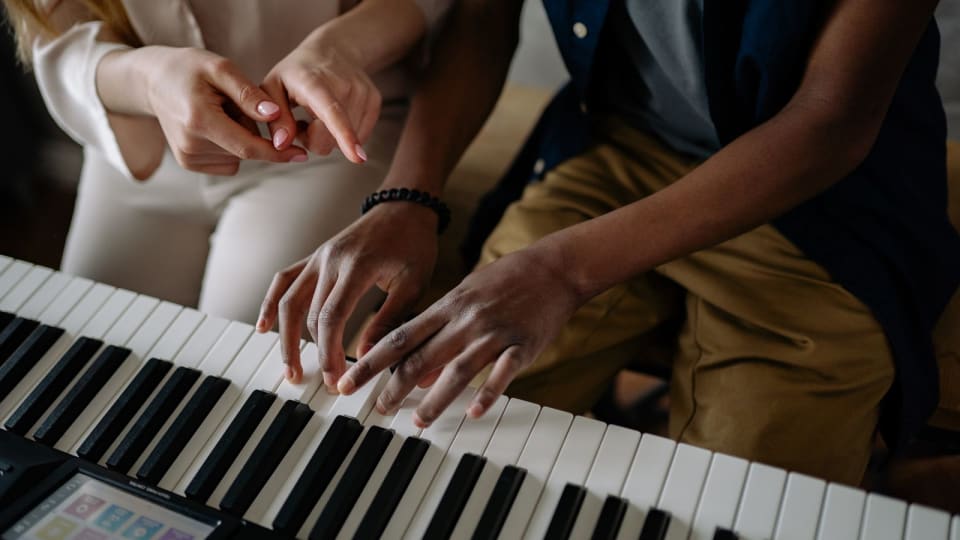
Tonara Alternatives for Teachers and Studios After the Shutdown
Tonara alternatives for teachers and studios, compared by assignments, practice logs, recordings, messaging, admin tools, pricing, and migration friction.
Pract.is Editorial
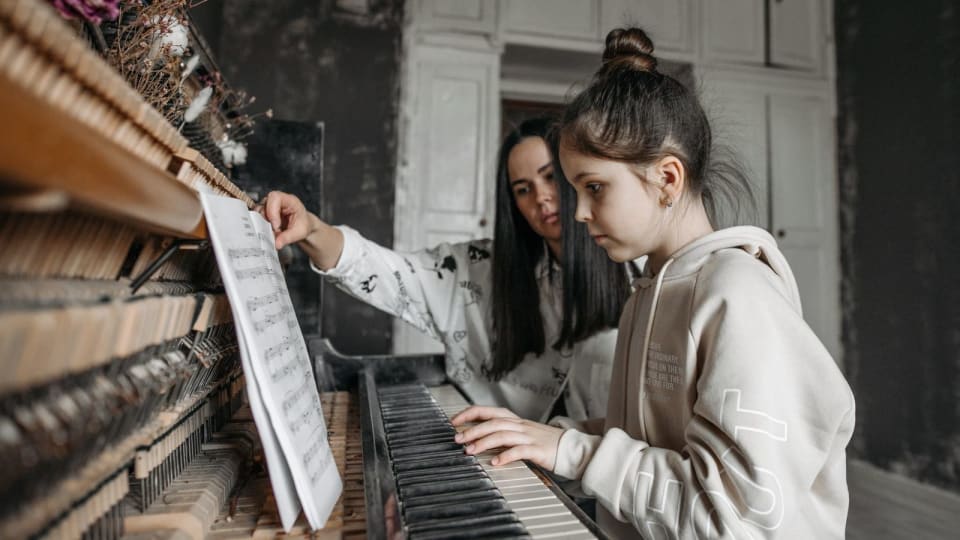
What to Charge for Piano Lessons in 2026 (Data + a Calculator Mindset)
Set sustainable piano lesson rates for 2026 using current benchmarks, real workload, collected hours, payment fees, and a practical rate-floor formula.
Pract.is Editorial
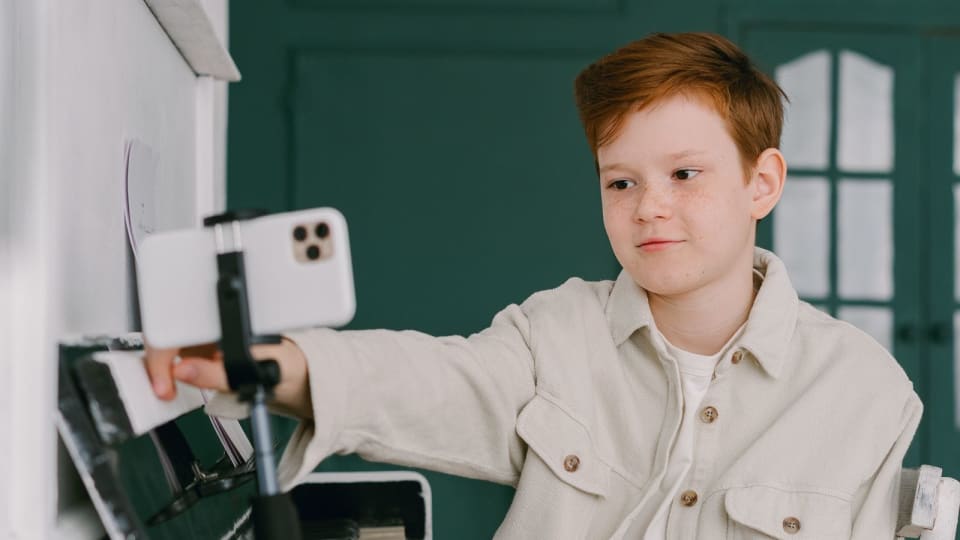
The Online Piano Teacher's Tech Stack (2026)
Build an online piano teacher setup students can hear, see, book, and use between lessons, without turning your studio into a broadcast rig.
Pract.is Editorial