
The Hidden Economics of Being a Concert Pianist in 2026
Most working concert pianists below the very top tier earn the majority of their income from teaching, adjudicating, and masterclasses — not from concerts. An honest breakdown of how the career math actually works in 2026.
Pract.is Editorial
Research-based practice guidance for musicians from the Pract.is editorial team.
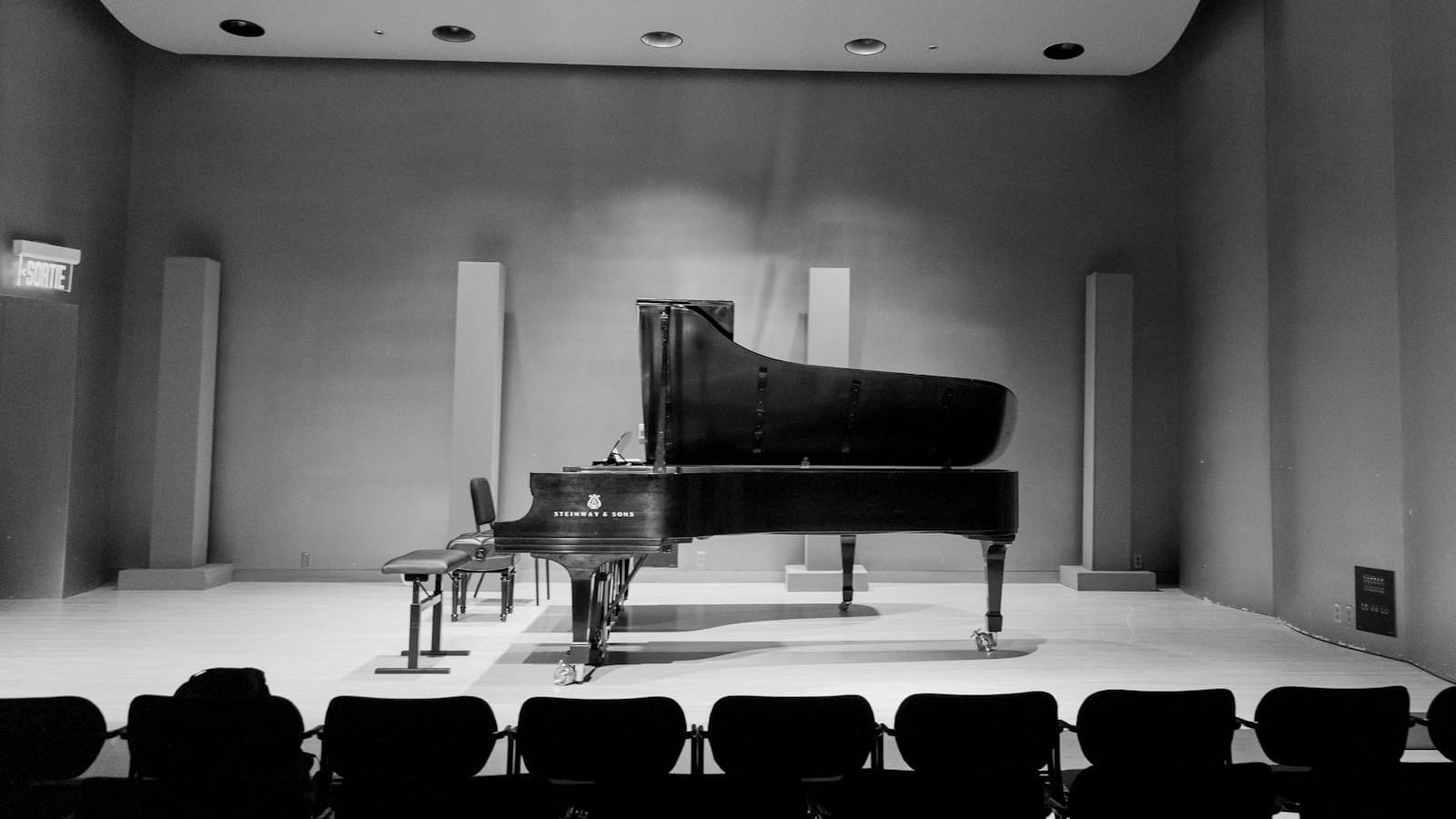
Most working concert pianists below the very top tier earn the majority of their income from teaching, adjudicating, masterclasses, and festivals — not from concerts. This is not a failure of those pianists. It is the structural reality of the classical music economy in 2026, and it would be true of nearly all the great pianists you have heard of if they were starting their careers today instead of forty years ago. The model in the public imagination — pianist gives concerts, gets paid handsomely, repeats — describes perhaps fifty people worldwide. The other thousands have a different math, and the honest version of that math is what this article is about.
This is not a discouraging article. The point is not that the career is impossible; the point is that the career as widely imagined does not match the career as actually lived, and aspiring pianists, their families, and their teachers benefit from a clear-eyed picture of how income actually flows. The Pract.is article on the weird economics of being a music teacher in 2026 covers the private-teaching side of this; the concert-pianist version is its complicated sibling, with teaching usually as the load-bearing column rather than the optional add-on.
How the model used to work
It helps to start with what concert pianists used to be. Franz Liszt effectively invented the modern concert tour in the 1840s, criss-crossing Europe in what newspapers of the time called "Lisztomania." He became extraordinarily wealthy. The infrastructure he created — touring soloists, agents, organised concert seasons, large urban venues, mass press coverage — defined the model of "concert pianist as a viable career" for the next century.

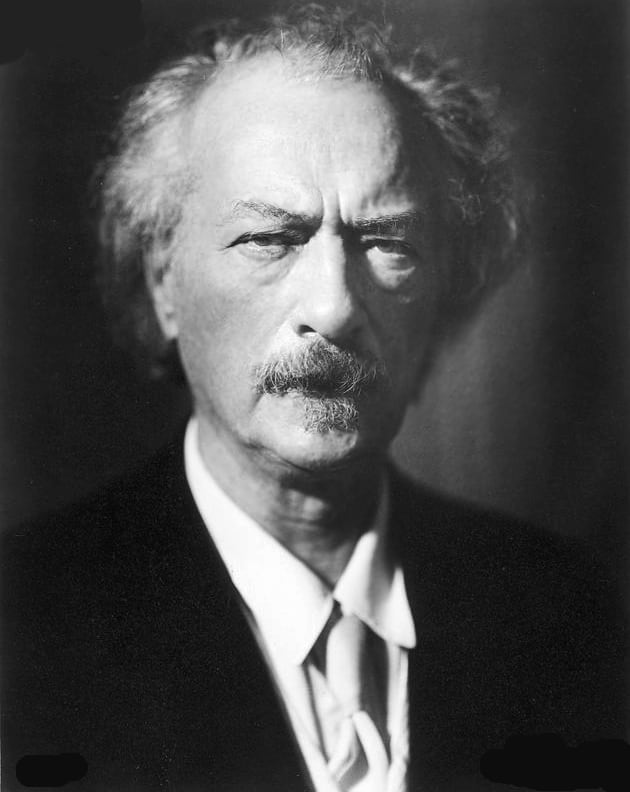
By the early twentieth century, Ignacy Jan Paderewski had taken the model to its peak. He gave roughly a thousand concerts across North America between 1891 and 1939, earned an estimated five million dollars in concert income (an extraordinary fortune at the time), served as Prime Minister of Poland, and became one of the most photographed celebrities of his era. The combination — virtuoso pianist, public celebrity, financially independent from performance alone — defined the cultural picture of what a concert pianist was. That picture is what most adults still carry in their heads when they hear the phrase.
The recording era partly extended this model — Horowitz, Rubinstein, Richter, and others built careers on a base of touring plus high-volume LP sales. The internet era ended it. Recording revenue collapsed in the 2000s. Streaming did not replace it. The concert market itself fragmented into a winner-take-most distribution where a small number of pianists command very large fees and most of the field commands modest ones. The cultural image is still Paderewski; the working reality is very different.
"The cultural image is still Paderewski. The working reality of being a concert pianist in 2026 is something else entirely."
The three tiers of concert pianists
The actual profession in 2026 has roughly three distinguishable tiers. The boundaries are fuzzy and the numbers approximate, but the structure is real and recognisable to anyone inside the industry.
Tier 1
Top of the profession
Roughly 50 pianists worldwide. Can live on concert fees, recordings, and brand work alone. Teaching is optional and often refused.
Tier 2
Mid-tier touring
Several hundred globally. Active concert career, but income depends on a mix that includes festivals, masterclasses, and meaningful teaching.
Tier 3
Working professional
Thousands. Teaching is the primary income; concerts are real but supplementary. Often a conservatory or university post.
Most of the conversation in the music industry pretends the field is tier 1 with a few tier 2 hangers-on. The actual distribution is heavily tier 3, with a small tier 2 layer and a tiny tier 1 cap on top. Almost all working pianists outside the famous names are in tier 3. This is not a moral judgement; it is the demographic reality, and the career advice given to young pianists rarely matches it.
Tier 1 — The top fifty
The pianists in tier 1 are the names that fill concert halls reliably and appear on major-label releases. Their concert fees are not public, but industry-credible figures place them in the $20,000–$100,000 range per recital for the upper portion of the tier, with the very top names commanding more. They give somewhere between forty and a hundred concerts a year. Their agents take 15–25% of fees. Recording deals exist but are now best understood as marketing investments rather than revenue sources; royalties from streaming are minor for almost everyone on this tier as well.
Brand and endorsement income — Steinway artist agreements, watch and luxury-goods partnerships, festival ambassadorships — supplement concert income for the most visible names. Tier 1 pianists frequently refuse teaching engagements or limit them to occasional high-profile masterclasses, both because their schedules are full and because the time-value of concert work exceeds teaching by a wide margin. A handful of tier 1 names earn enough to live on a luxurious scale; many earn comfortable upper-middle-class incomes with significant tax and travel costs.
This is the tier most adult listeners imagine when they think "concert pianist." It is also the tier almost no one reading this will end up in. Out of the thousands of advanced classical pianists active worldwide, the proportion who reach tier 1 is in the low single digits at best.
Tier 2 — The mid-tier touring profession
Tier 2 is the engine of the international concert scene and the part of the profession most listeners never explicitly think about. These pianists give twenty to fifty concerts a year, often regional or specialised (chamber music, contemporary repertoire, festivals dedicated to particular composers). Their typical recital fee runs from a few thousand dollars to perhaps twenty thousand at the high end, with significant variation by region, venue type, and reputation. Their orchestral concerto fees are higher per appearance but harder to book.
Recording exists but rarely pays the bills. Mid-tier pianists release albums through smaller labels or independent imprints, often financing some of the production themselves with the expectation that the album will function as a calling card for further bookings rather than as a profit centre. Streaming income is similarly minimal — a year's worth of dedicated listening from a moderate audience produces, at most, four-figure annual royalties for the artist.
What sustains the tier 2 pianist is a portfolio. Concert fees pay some portion of the year. Festival residencies — increasingly important — pay another. Masterclass touring at universities and conservatories pays another. A serious teaching commitment, usually at a university, conservatory, or year-round private studio, pays the largest single share for most pianists at this level. Adjudication at competitions, occasional session recording work, and editorial or critical writing fill out the rest. The mix shifts year to year; the dependence on the mix is structural.
Tier 3 — The working professional
Tier 3 includes the majority of professional pianists active in 2026: conservatory faculty, university lecturers, well-established private teachers with serious credentials, church musicians with concert resumes, accompanists with active solo lives. They give five to twenty concerts a year, often at modest fees in regional venues, churches, conservatory recital series, or chamber music presenters. The Pract.is article on are music teachers still in demand in 2026 covers the teaching market they operate in.
The income mix at tier 3 is dominated by teaching, often by a wide margin. A conservatory or university position provides salary, benefits, and sometimes housing in expensive cities. Private studio work adds an hourly or per-lesson layer on top. Concert fees, when they arrive, are valuable for reputation and for the income they bring, but the year's financial stability rests on teaching contracts and recurring private students.
Tier 3 pianists are often artistically excellent and may have had earlier careers that included tier 2 activity. The shift to tier 3 is rarely a "failure" — it is the long-term financial stabilisation that occurs when concert revenue is structurally too variable to be the sole foundation of an adult life. The musicians in this tier sustain the classical music ecosystem far more than the famous names do. They teach the next generation, run the studios that produce conservatory applicants, and perform constantly in regional venues that do not show up on major concert series.
Income sources, side by side
The same income sources appear across all three tiers, but in dramatically different proportions. The table below gives approximate income-mix profiles for each tier. These are rough estimates from industry observation, not audited data — actual mixes vary widely by individual.
| Income source | Tier 1 (top) | Tier 2 (mid) | Tier 3 (working) |
|---|---|---|---|
| Solo recital and concerto fees | ~60–75% | ~25–40% | ~5–15% |
| Recording revenue (sales + advances) | ~5–10% | ~2–5% | ~0–2% |
| Streaming royalties | ~1–3% | ~1% | ~1% |
| Festivals, residencies, ambassadorships | ~10–15% | ~10–20% | ~5–10% |
| Masterclasses | ~5–10% | ~10–15% | ~5–10% |
| Teaching (private + institutional) | ~0–10% | ~25–45% | ~50–75% |
| Adjudication, session work, writing | ~1–5% | ~5–10% | ~5–10% |
What is striking about the table is not where tier 1 lives — that is more or less the cultural image — but how concert income compresses through tier 2 and into tier 3. By the time you are at tier 3, concerts are at most 15% of income and usually less. Teaching is the structural backbone. This is not a marginal phenomenon; it is the modal experience of the profession.
The specific economics of recording and streaming
It is worth being explicit about why the recording and streaming columns are so small even for tier 1. Recording deals for classical artists are now structured almost entirely as marketing investments. Even major-label classical releases sell in the low thousands of physical units for most artists. Advances are modest or zero for new signings; royalty rates on physical sales (typically 10–15% of wholesale, after recoupment) translate into single-digit thousands of dollars annually for the median release.
Streaming is even more compressed. Spotify pays roughly $0.003–$0.005 per stream, split between the label and the artist (often with the label taking the larger share). A million streams — a respectable result for a classical album — produces a few thousand dollars of artist revenue. The Pract.is article on AI-generated songs are charting on Billboard covers the broader streaming-economy context. For classical artists, the streaming layer is a marketing layer, not a revenue layer.
This is why even tier 1 pianists do not depend on recordings for income. The recordings exist because they sustain visibility and concert demand. The actual income comes from the concerts themselves, not from the recordings that promote them.
"Recordings exist because they sustain visibility and concert demand. The actual income comes from the concerts the recordings promote — not from the recordings themselves."
The agency cut and the visible-fee gap
One persistent source of confusion is the gap between published concert fees and what reaches the pianist. Agents typically take 15–25% of the gross fee. Travel and accommodation are sometimes covered by the presenter and sometimes by the artist, with major-name pianists able to negotiate fully covered travel and lesser-known artists often paying their own way. Income tax across multiple jurisdictions for touring artists adds another layer of complexity. A $10,000 published recital fee can net the artist closer to $5,000–$7,000 after agency commission, travel, taxes, and incidentals.
This matters because the cultural conversation about concert fees focuses on the headline numbers. The headline number is not what the pianist earns; it is the gross of a transaction with several parties taking pieces. The take-home amount is what funds the artist's life, and it is consistently smaller than the headline number suggests.
What this means for aspiring concert pianists
For young pianists considering the profession and for the families who support them, the honest takeaway is not "do not pursue it." It is "pursue it with a clear-eyed picture of how income actually works." Three specific implications follow.
First, teaching capability is not a backup plan; it is part of the career. A pianist who emerges from conservatory without serious pedagogical skills has prepared for tier 1 — a tier they will most likely not reach — without preparing for tier 2 or tier 3. Conservatories that train performers without serious teacher training do their students a disservice. The Pract.is article on what makes a good music teacher covers what serious teaching actually involves; this is a core skill, not a fallback.
Second, concert income is variable and risky in ways that fixed teaching income is not. A pianist whose budget assumes a stable concert season is exposed to economic downturns, illness, geopolitical disruption, agency departures, and the natural variability of bookings. Most working pianists deliberately build a base of stable income — teaching, often institutional — and treat concert income as variable on top. This is financial prudence, not artistic compromise.
Third, the model is changing. Direct-to-audience platforms — streaming subscriptions for individual artists, Patreon-style support, online masterclass platforms, YouTube concert revenue for the very visible — are creating small but real new income streams. They will not replace the traditional concert economy, but they are part of how the next generation of pianists will likely earn a living. The Pract.is article on the rise of the content musician covers the broader shift; the concert-pianist version is one specific case.
What the data actually says about career success
It is worth being honest that "successful concert pianist" by industry standards usually means someone in tier 2 — actively touring, internationally recognised within classical circles, with a real recording catalogue — rather than tier 1. Most adults who enter conservatory with serious career intentions and do not reach tier 1 end up in tier 2 or tier 3, and most of those report rich and sustaining musical lives. The career is not a binary "famous or failed." It is a continuum, and most of the continuum is genuinely workable, just not the way it is publicly portrayed.
The Pract.is essay on why successful musicians sometimes retire early covers the related question of why even tier 2 careers sometimes end voluntarily; the economics article you are reading is its complement — both speak to how the public picture of "successful concert pianist" obscures the actual range of lives the profession contains.
The honest verdict
The career of "concert pianist" still exists in 2026. It just looks different from the Paderewski portrait that anchors the public imagination. The work is real and meaningful for the people who do it. The income is more diversified than the public model suggests. Teaching is not a failure mode; it is, for most of the profession, the structural backbone of an artistically active life. The pianists who succeed at the working level — tier 2 or stable tier 3 — usually have planned for the mix from early on, rather than discovering it after the fact.
For young pianists: train as performers and as teachers. Build the financial foundation that teaching provides. Pursue concerts as the artistic core of the life. Treat recordings and streaming as marketing layers, not income streams. Accept that tier 1 is statistically improbable for almost everyone and that tier 2 is the actual goal for the serious career. The math is not what the public imagines, but it works — for those who plan for the math they actually face rather than the math that exists only in the brochure.
More on motivation.
Why Some Piano Prodigies Disappear in Their 20s
The transition from 'wunderkind on YouTube at 12' to 'working pianist at 24' is brutal — and most do not survive it. The structural reasons are specific and the few who navigate the gap share a recognisable pattern.
Pract.is Editorial

Why Japanese Piano Education Produces So Many World-Class Pianists
Uchida, Sumino, Fujita, Kobayashi — the list of world-class Japanese pianists is striking and growing. The reasons are structural: Yamaha and Kawai's institutional reach, competition culture, early starts, and a pedagogy that treats music as serious work from age four.
Pract.is Editorial
Why You Can't Play Comfortably in Front of People You Know Well
Most musicians can play for strangers at a recital and freeze in front of family in the living room. The cause is not general performance anxiety — it is something more specific, and it needs a different fix.
Pract.is Editorial