
Why Some Piano Prodigies Disappear in Their 20s
The transition from 'wunderkind on YouTube at 12' to 'working pianist at 24' is brutal — and most do not survive it. The structural reasons are specific and the few who navigate the gap share a recognisable pattern.
Pract.is Editorial
Research-based practice guidance for musicians from the Pract.is editorial team.
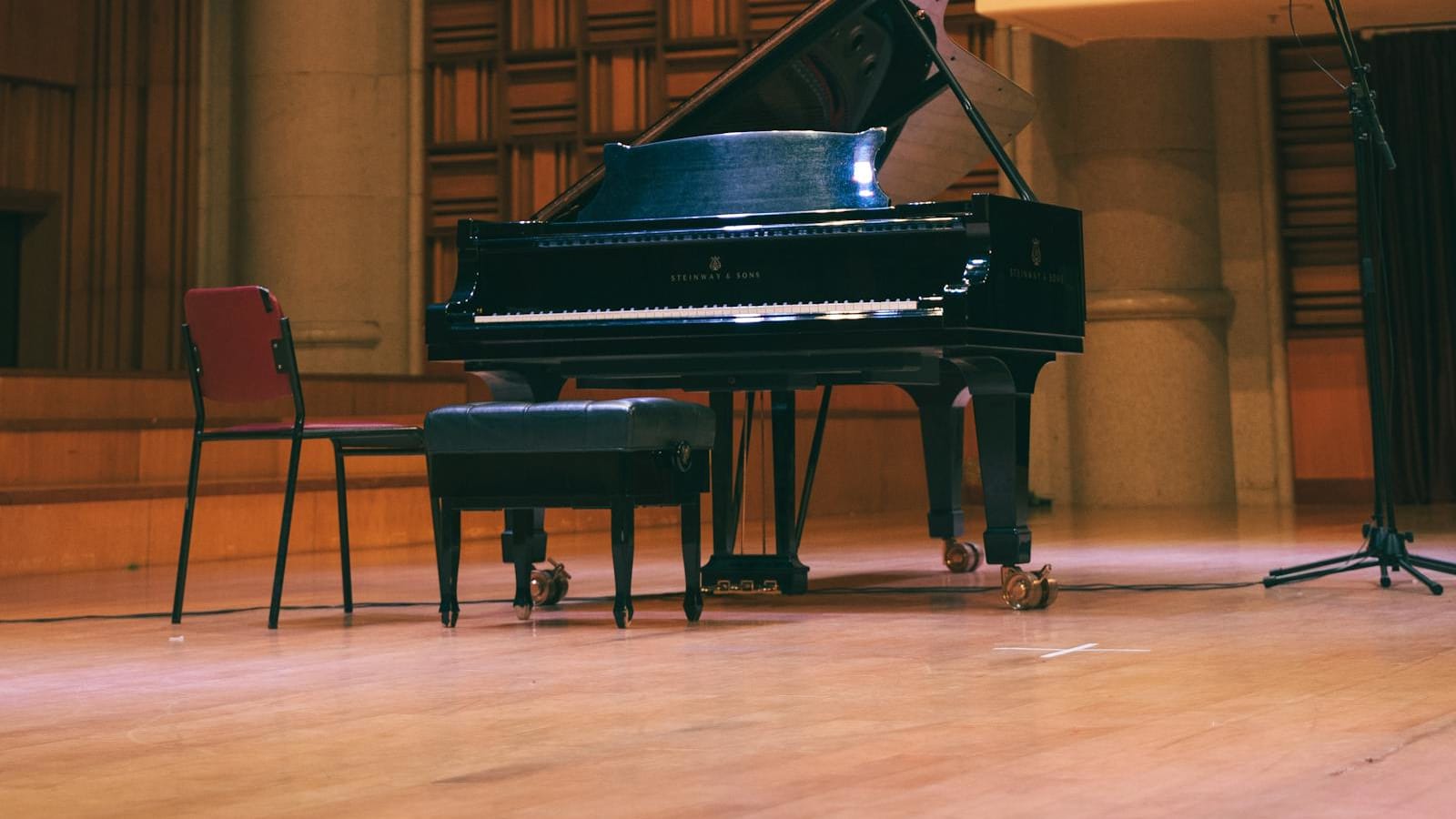
Open YouTube. Type the name of a piano competition's youth winner from twelve years ago. Much of the time, the search results stop in the late teens. The pianist who packed concert halls at fifteen is no longer performing. The career that looked inevitable simply ended — or, more precisely, dissolved into something quieter and harder to track. There was no scandal, no public retirement, no obvious failure. The wunderkind became an adult, and the adult disappeared from the visible profession.
This pattern is common enough to be its own phenomenon, and it deserves a clearer-eyed look than it usually gets. The "disappearance" of a piano prodigy is not a mystery. It is the result of specific structural forces — developmental, psychological, economic — that operate predictably and that most young pianists, parents, and teachers do not see in advance. This article names those forces, looks at the small number of prodigies who successfully transition into adult careers, and considers what the pattern means for everyone in the classical-music ecosystem.
The "child prodigy" identity and what it actually is
A piano prodigy at twelve is doing something remarkable, but it is not the same thing as being a great adult artist. The remarkable thing is the combination of high technical skill, strong musical instincts, and the developmental contrast with peers. A twelve-year-old who plays Liszt with ease draws attention not only because the playing is good but because the player is twelve. The same playing from a twenty-four-year-old is competent professional work; the same playing from a thirty-four-year-old conservatory faculty member is unremarkable. The remarkable component evaporates with time.
This is the first hidden cost of the prodigy model. The child has been doing something whose value depends on age. The audience response — the competitions won, the YouTube views, the festival invitations — is partly age-discounted. When the age premium drops away, the underlying playing has to carry the career on its own. For many former prodigies, the underlying playing is excellent but no longer extraordinary, and "excellent but not extraordinary" is not a sustainable concert career.
"A twelve-year-old playing Liszt with ease is remarkable partly because they are twelve. The remarkable component evaporates with time."
Four structural reasons prodigies disappear
The path from twelve to twenty-four contains four specific obstacles. Most prodigies who do not navigate the transition successfully are tripped by at least one of these, and often by several at once.
Reason 1 — The developmental ceiling
The first reason is genuinely developmental. The technical and musical work of a child prodigy is largely "remarkable child" work — execution of the standard difficult repertoire at high standards of accuracy, speed, and surface polish. The next leap, into mature adult artistry, is a different kind of work entirely: interpretive depth, individual sound, structural understanding, the capacity to make a performance feel inevitable rather than impressive. This kind of artistry is not produced by more practice of the same kind. It requires development that often slows or stalls in the late teens and early twenties.
Some prodigies hit a developmental ceiling because the qualities that make adult artistry — emotional depth, life experience, sustained interior reflection — cannot be accelerated. Others hit it because the relentless competition schedule of the prodigy years did not include the kind of solitary, exploratory work that adult artistry requires. The Pract.is article on why your slow movements sound empty covers what mature artistry actually involves; prodigies often arrive at twenty unable to do that work even though their hands can play anything.
Reason 2 — Burnout and physical injury
The second reason is the body and the mind. A prodigy career routinely requires four to six hours of practice a day from elementary school onward, layered on top of normal schooling, performances, travel, and competition pressure. Burnout — physical, emotional, motivational — is the predictable consequence in a meaningful percentage of cases. Repetitive strain injury is similarly common; the Pract.is article on piano injuries are more common than you think covers the broader pattern, and the prodigy population is overrepresented in it.
By the early twenties, many former prodigies have either developed physical conditions that limit their playing or have arrived at psychological exhaustion that makes continued professional intensity impossible. Some recover and resume. Many shift quietly into related careers — teaching, conducting, academic music — where the demands are different. The career as a concert pianist ends not because of failure but because the cost of continuing has become unsustainable. The Pract.is essay on musician burnout is more common than people think covers the underlying mechanism.
Reason 3 — Market saturation in the "young artist" slot
The third reason is purely economic. The classical music industry has a small number of slots for "remarkable young pianist" — major-label debut releases, prestigious competition recognition, festival residency invitations, agency representation. Those slots are competitive, and a prodigy who held one at fifteen is no longer competing in the same category at twenty-four. They are now competing in the much larger and tougher market for "established adult artist," where their child-prodigy credential is worth less than it appears.
Agencies that represented the pianist as a teenage sensation often quietly reduce attention as the artist ages out of the marketing category. New releases that were eagerly anticipated as "young artist debuts" are received as ordinary adult concert recordings. The Pract.is article on the hidden economics of being a concert pianist covers the broader industry structure; the prodigy version is a specific subcase where the artist's market position shifts from "remarkable youth" to "competing professional" between roughly ages eighteen and twenty-three.
Reason 4 — Identity and meaning collapse
The fourth reason is the most interior. A child whose entire life has been organised around being "the prodigy" has identity stakes in that role that survive long after the role becomes unsustainable. When the concerts stop, the press attention fades, and the agency calls less often, the question "who am I now?" arrives with force. Some former prodigies handle this gracefully — they had other identities all along, or they develop new ones. Others enter prolonged periods of confusion, depression, or withdrawal. Career disappearance and identity disappearance happen together, and the distinction is sometimes invisible from outside.
This is rarely discussed publicly because it is genuinely private and because the cultural narrative around former prodigies frames disappearance as either failure or scandal rather than as a normal human passage. The Pract.is article on why successful musicians sometimes retire early covers the adjacent territory; prodigy transitions sit in the same conceptual space, with additional layers of pressure that adult performers may have escaped.
Side by side — the four obstacles
| Obstacle | What it does | Typical age range |
|---|---|---|
| Developmental ceiling | Technical brilliance no longer becomes adult artistry | 17–22 |
| Burnout / injury | Physical or psychological inability to sustain practice load | 16–24 |
| Market saturation | The "young artist" slot disappears; adult market is brutally competitive | 20–26 |
| Identity collapse | "Prodigy" stops being a sustainable self-description | 19–25 |
The few who navigate it well
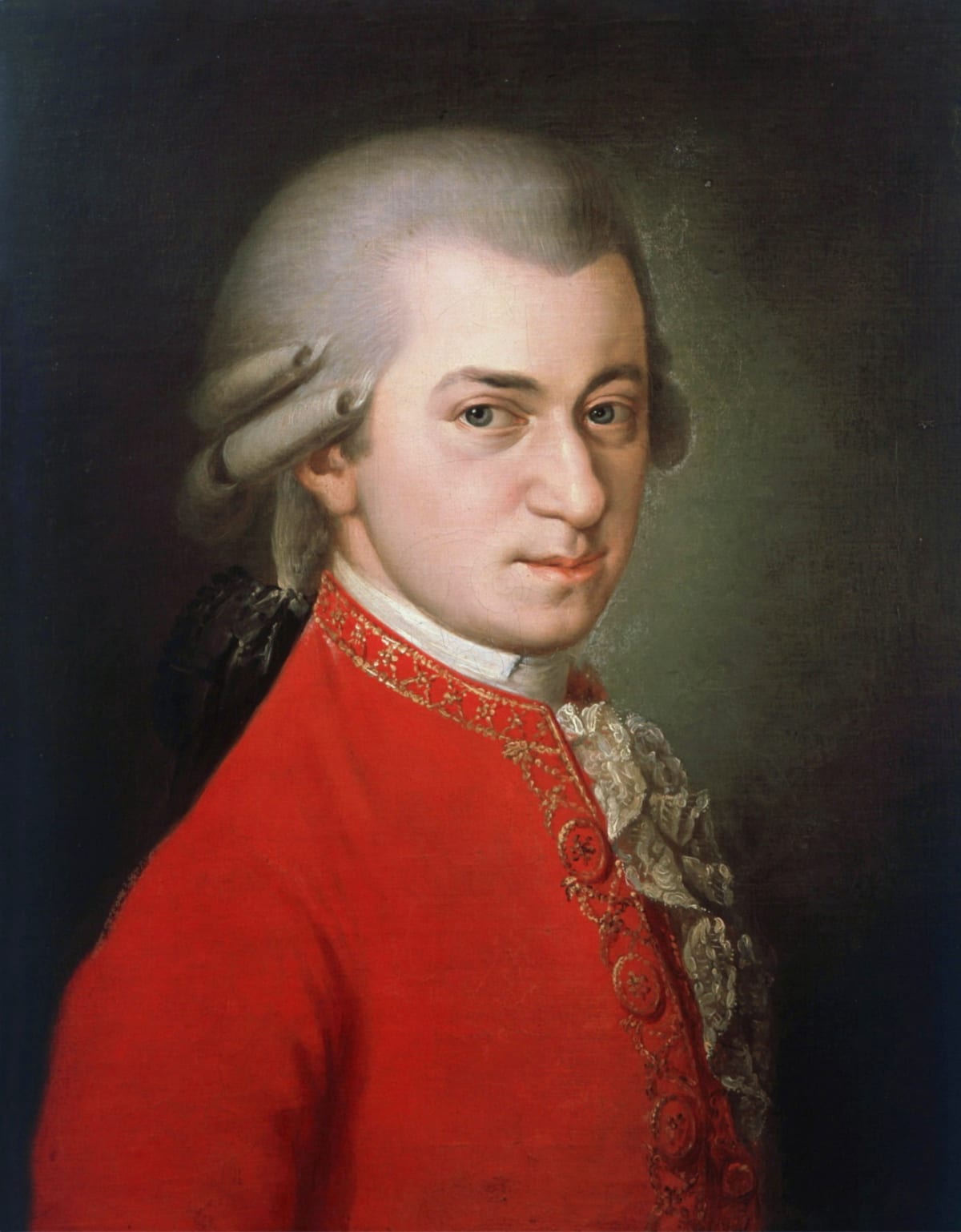
Not every prodigy disappears. Some — Mozart at the historical peak, Josef Hofmann across a long twentieth-century career, more recently Lang Lang, Yuja Wang, Daniil Trifonov, and the very small number of contemporary equivalents — navigate the transition from remarkable child to major adult artist successfully. The pattern they share is recognisable.
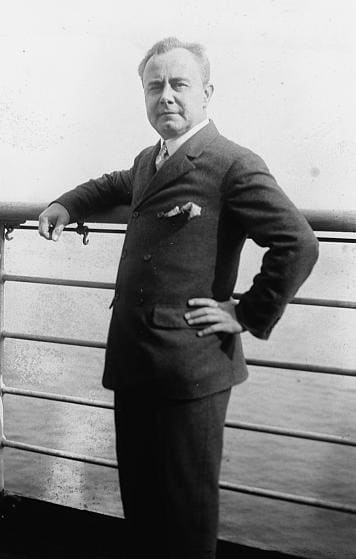
First, they made the developmental shift from "remarkable child playing standard repertoire" to "developing artist forming individual interpretations" early — typically in their mid- to late teens — and they treated that shift as a real transition rather than as continuity. Hofmann, who debuted as a child sensation under Anton Rubinstein and went on to become director of the Curtis Institute and one of the most respected pianists of his era, openly recognised that the prodigy years were preparation, not destination. The work he did between fifteen and twenty-five was the work of becoming an adult artist, not the work of maintaining the role of remarkable child.
Second, the successful transitioners managed the burnout risk. Sometimes this was structural — a parent or teacher who insisted on reduced load, a year away, periodic withdrawal from competition. Sometimes it was natural — a temperament that did not break under the conditions that broke others. Either way, by the early twenties, these pianists arrived with their bodies and motivation intact, available for adult careers.
Third, they had artistic substance that did not depend on age. The interpretations, the sound, the structural understanding — these matured into qualities listeners value without reference to the pianist's youth. By twenty-five, they were major artists who happened to have been prodigies, rather than former prodigies hoping to remain interesting.
Fourth, they had business and life structures that supported the transition. A teacher or mentor who understood the long arc. An agency willing to manage the artist through the difficult years rather than treating them as a fading marketing product. A personal foundation — family, geographic stability, financial cushion — that absorbed the inevitable volatility of an early-twenties artistic career.
"By twenty-five, the few who navigate the transition are major artists who happened to have been prodigies — rather than former prodigies hoping to remain interesting."
What this means for parents and teachers
Parents and teachers of young prodigies face the question of how to support a child whose obvious talent is being absorbed into a system that does not have the child's long-term interest at its centre. A few specific principles emerge from looking at who navigates the transition.
First, protect the developmental work. A child who only plays competition repertoire and never engages in the slower, exploratory study that produces adult artistry is being prepared for the prodigy years but not for what comes after. Periodic withdrawal from competition cycles, deliberate time for repertoire choice driven by the student rather than by adjudication panels, and active musical thinking outside of repertoire learning all contribute to artistic substance that survives the prodigy phase. The Pract.is article on what piano pieces should I learn next covers the broader question of repertoire choice; prodigy years are when that choice is most often hijacked by external incentives.
Second, manage the practice load against the body's actual capacity. Six hours a day at twelve is harder on a body than the same load at twenty-five, and the cumulative cost shows up in the twenties. Limits, breaks, and physical-therapy involvement are not signs of insufficient seriousness; they are the conditions under which the body remains available for an adult career.
Third, build identity outside the prodigy role. A child who is "the pianist" and nothing else is one career setback away from existential crisis. A child who is also a serious student of other subjects, who has friendships outside music, who has a self-conception that includes more than the instrument, can absorb the inevitable difficult passages without disappearing. This is hard to engineer but easier to allow.
Fourth, tell the truth about the career path. Most prodigies will not have major concert careers. Many will have rich and sustaining lives in music — as teachers, conductors, academics, accompanists, freelance soloists at the regional level — without the international touring profile the prodigy years implied. The Pract.is article on why some pieces resist you no matter how much you practice covers the related question of honest assessment in repertoire choice; the career version is the same reflex applied at a larger scale.
What this means for audiences and listeners
For the rest of us — audiences, listeners, occasional concertgoers — the prodigy-to-adult transition has implications too. The cycle of "discover a sensational child, follow them for a few years, lose interest when they become an ordinary excellent young adult" is part of what creates the structural pressure on prodigies. Audiences that value remarkability over depth feed the system that uses up young players and discards them.
A more sustainable audience reflex is to value the adult careers that prodigy years can produce — to follow the pianists into their twenties and thirties, to listen to the recordings that come out after the early buzz, to attend the regional concerts where former prodigies are doing serious adult work. The Pract.is article on why Gen Z keeps finding classical music online covers shifts in audience attention; the prodigy-cycle version is the specific case where audience attention itself becomes part of the problem when it operates only on remarkability.
What the pattern says about the system
The disappearance of piano prodigies is not a private failure of the disappeared. It is the visible output of a system that selects for remarkability in childhood, exposes those children to enormous practice loads and competitive pressure, and offers them a fading marketing window that closes in the early twenties — exactly when the body, the mind, and the artistic personality need stable conditions to develop. The system produces remarkable child pianists in abundance and converts a small fraction of them into great adult artists. The fraction is small not because most prodigies lack potential but because the conditions for converting potential into mature artistry are missing.
This is worth being honest about because the alternative — the cultural framing that treats former prodigies as personal failures, or treats the transition as mysterious — both protects the system and damages the people inside it. The transition is hard for understandable reasons. Some pianists navigate it. Most do not. The few who do tend to have specific structural advantages: the right teachers, the right developmental work, the right body, the right family support, the right early decisions about practice load and repertoire. Talent helps but does not in itself determine the outcome.
The careers of Mozart, Hofmann, and their modern equivalents are not what every prodigy could become with enough effort. They are what a small number become when the conditions for adult artistry happen to align with the conditions for surviving the prodigy years. Honouring that pattern means giving the young players the conditions to develop — and accepting that for many of them, the right outcome is not international concert stardom but a serious and sustaining life in music in some other shape. The disappeared have not failed. The cultural script that says they must remain visible to be valuable is the failure.
More on motivation.
The Hidden Economics of Being a Concert Pianist in 2026
Most working concert pianists below the very top tier earn the majority of their income from teaching, adjudicating, and masterclasses — not from concerts. An honest breakdown of how the career math actually works in 2026.
Pract.is Editorial

Why Japanese Piano Education Produces So Many World-Class Pianists
Uchida, Sumino, Fujita, Kobayashi — the list of world-class Japanese pianists is striking and growing. The reasons are structural: Yamaha and Kawai's institutional reach, competition culture, early starts, and a pedagogy that treats music as serious work from age four.
Pract.is Editorial
Why You Can't Play Comfortably in Front of People You Know Well
Most musicians can play for strangers at a recital and freeze in front of family in the living room. The cause is not general performance anxiety — it is something more specific, and it needs a different fix.
Pract.is Editorial