
Time-Boxing Music Practice: A System for Busy Adult Learners
The busy adult's real problem was never too little time — it's too little structure for the time they have. Time-boxing splits a short session into fixed blocks with hard stops, so the twenty-five minutes you actually own do real work.
Pract.is Editorial
Research-based practice guidance for musicians from the Pract.is editorial team.
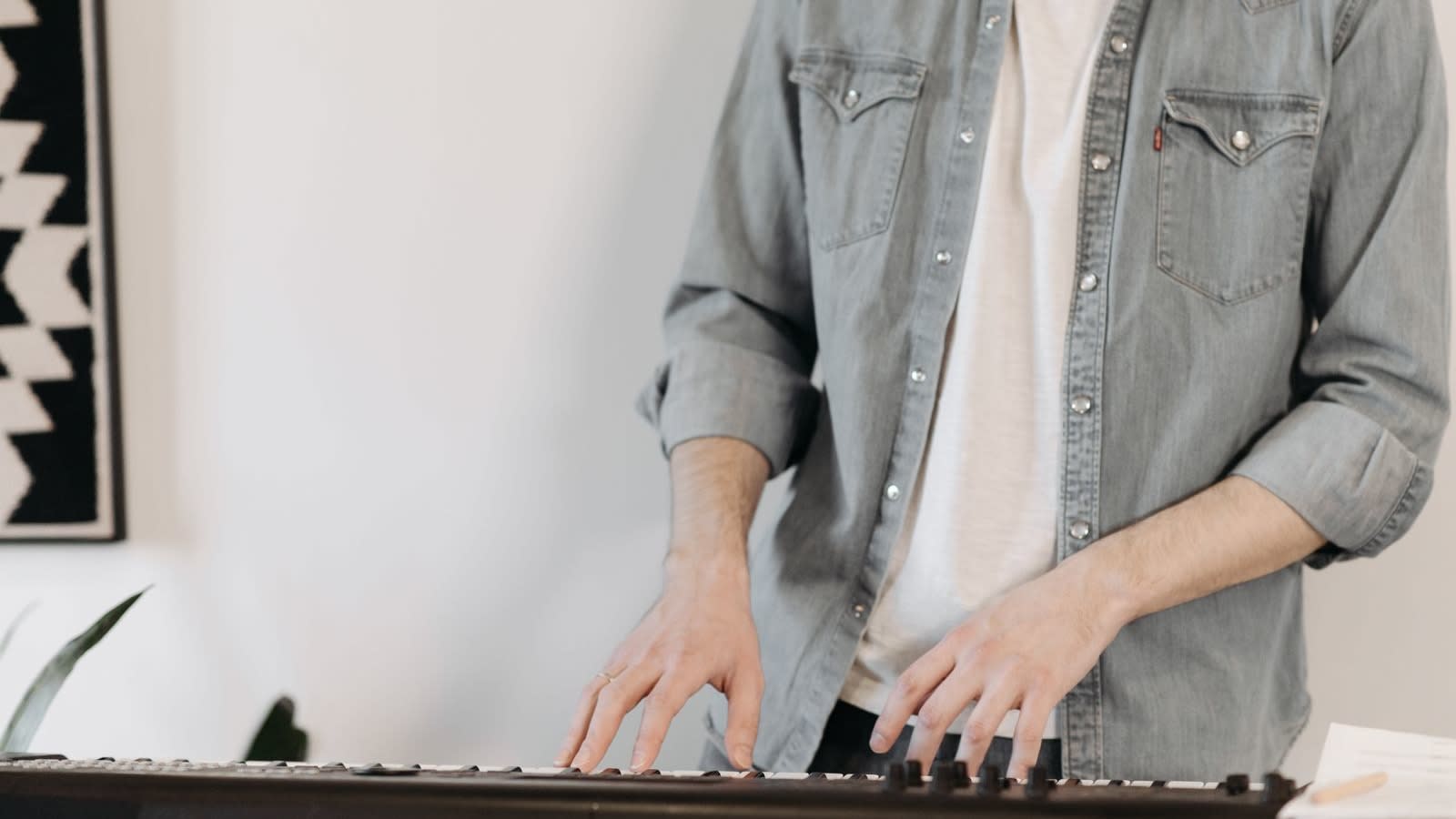
Twenty-five minutes. That's what a lot of adults actually have between the dishes and the point where their brain shuts off for the night — not the unbroken hour the practice advice always seems to assume. And the cruel thing is what usually happens to those twenty-five minutes: you sit down, run a comfortable warm-up that drifts to ten minutes, play through the piece you can already mostly play because it feels good, poke at the hard bit for ninety seconds until it frustrates you, and then it's bedtime. You practised. You didn't improve.
That isn't a discipline problem and it definitely isn't a time problem. It's a structure problem — and it has a well-tested fix borrowed from people who are also chronically short on time: time-boxing. Instead of sitting down to "practise for a bit," you divide the minutes you have into fixed blocks, give each one a job and a hard stop, and let the clock run the session. It sounds rigid. In practice it's the thing that finally makes a small, busy-life practice habit actually move you forward.
Where your twenty-five minutes actually go
Two predictable failures eat an unstructured short session, and they pull in opposite directions. The first is avoidance: left to drift, you spend your time on what's already comfortable — the warm-up, the pieces you've nearly finished — because they feel rewarding, while the genuinely hard passage that would actually raise your playing gets the scraps at the end, if anything. The second is the rabbit hole: you do dive into the hard bar, but with no boundary you grind at it past the point of usefulness, get tense and discouraged, and never touch the rest of the piece. One failure under-spends on difficulty; the other over-spends on it. Both leave the session shapeless.
Underneath both sits a law that office workers know well. Parkinson's Law — coined by Cyril Northcote Parkinson in a 1955 essay for The Economist — says that work expands to fill the time available for it. Give your warm-up an open-ended slot and it will happily swell to twelve minutes. Give your easy repertoire no limit and it will eat the evening. The time doesn't vanish into nothing; it vanishes into the low-value parts of practice, precisely because nothing told it to stop.
"Given an unstructured half hour, your warm-up and your easy pieces will quietly eat all of it — and the hard thing, the only part that makes you better, never gets its turn."
Time-boxing, borrowed from people with no time
Time-boxing is a productivity method with a simple core: you assign a task a fixed, pre-decided amount of time, and when that time is up you stop — finished or not — and move to the next thing. The mental shift is small but it changes everything. You stop asking "how long will this take?" (an open question that invites expansion) and start asking "how much time should I give this?" (a decision that creates a boundary). The hard stop is the whole mechanism. Without it you have a to-do list; with it you have a schedule that defends your priorities from Parkinson's Law.
Applied to music, a box is just a named chunk of the session with a timer on it: warm-up, three minutes; the hard passage, twelve; repertoire, seven; play for fun, three. When the timer ends a box, you move on even if you're mid-thing — and especially if you're mid-thing on the hard passage, because that's the one you'd otherwise either skip or get stuck in forever. The boxes do two jobs at once: they guarantee the difficult work gets its share of the clock, and they rescue you from the rabbit hole by ending it on time. You're not trusting your willpower to allocate attention well under fatigue. You're letting the structure do it.
Why it suits a busy life better than one long session
Here's the part that should make any time-strapped adult feel better rather than worse: a short, well-structured session isn't a sad compromise against the "real" hour you can't find. For learning motor skills, practice that's broken into shorter sessions spread across days tends to produce retention at least as good as one long block — often better. In a frequently cited 2007 study, people learning a keypress sequence in three short sessions across three days outperformed a group who did the same total practice in one sitting, when both were tested a week later. The spacing, not the marathon, drove the result.
I'll be honest about the evidence rather than oversell it: the spacing benefit is robust for many motor tasks but genuinely mixed for complex skills, and at least one study found no spacing advantage specifically during piano learning. But notice that you don't need the strong version of the claim. You only need "short and frequent is at least as good as long and rare," because for a busy adult the real alternative to three twenty-minute sessions across a week is never one glorious ninety-minute session — it's zero. Time-boxing turns the fragments you actually have into the format the research already likes, instead of leaving them on the floor while you wait for time that isn't coming.
There are two quieter benefits, too. A pre-decided template removes decision fatigue: a tired adult at 9pm shouldn't also have to invent a practice plan, and with boxes they don't — they just run today's template. And a boxed session ends with a clean sense of completion rather than guilt. You did the twenty-five minutes you planned; there's no nagging "I should have done more," because more was never the deal. That feeling is what keeps the habit alive across a hard week, which is its own art — we get into it in what to do in practice when you're too tired to do deep work.
"The busy adult's problem was never too little time. It was too little structure for the time they had."
The system: how to box a short session
The method is quick to set up and you only do the thinking once. Decide your realistic session length on a normal weeknight — not your fantasy length — then carve it into three or four boxes ordered by priority, and put a timer on each. The single most important rule is to make the biggest box the hard thing: the passage or skill you'd instinctively avoid. Everything else is maintenance and reward around that core.
Inside the hard-thing box, don't play the whole piece — work the specific passage in isolation, hands or parts separate, slow, on a loop, which is where most of the real gains in a short session come from (isolation practice covers why). When the timer ends that box mid-passage, that's fine: you'll box it again tomorrow, and the gap between today and tomorrow is doing quiet consolidation work of its own. Use the same template most days and rotate only what goes into the hard-thing box. Below are three starting points you can copy and adjust; treat them as defaults, not commandments.
15 min
the minimum that counts
- Warm-up · 2
- Hard thing · 10
- One favourite · 3
25 min
the weeknight default
- Warm-up · 3
- Hard thing · 12
- Repertoire · 7
- For joy · 3
40 min
a good day
- Warm-up · 5
- Hard thing · 18
- Second piece · 10
- Repertoire / joy · 7
Practically, all this needs is a timer and a place to note what went in today's hard-thing box so you know what to rotate to next. A kitchen timer or your phone's clock is genuinely enough to start.
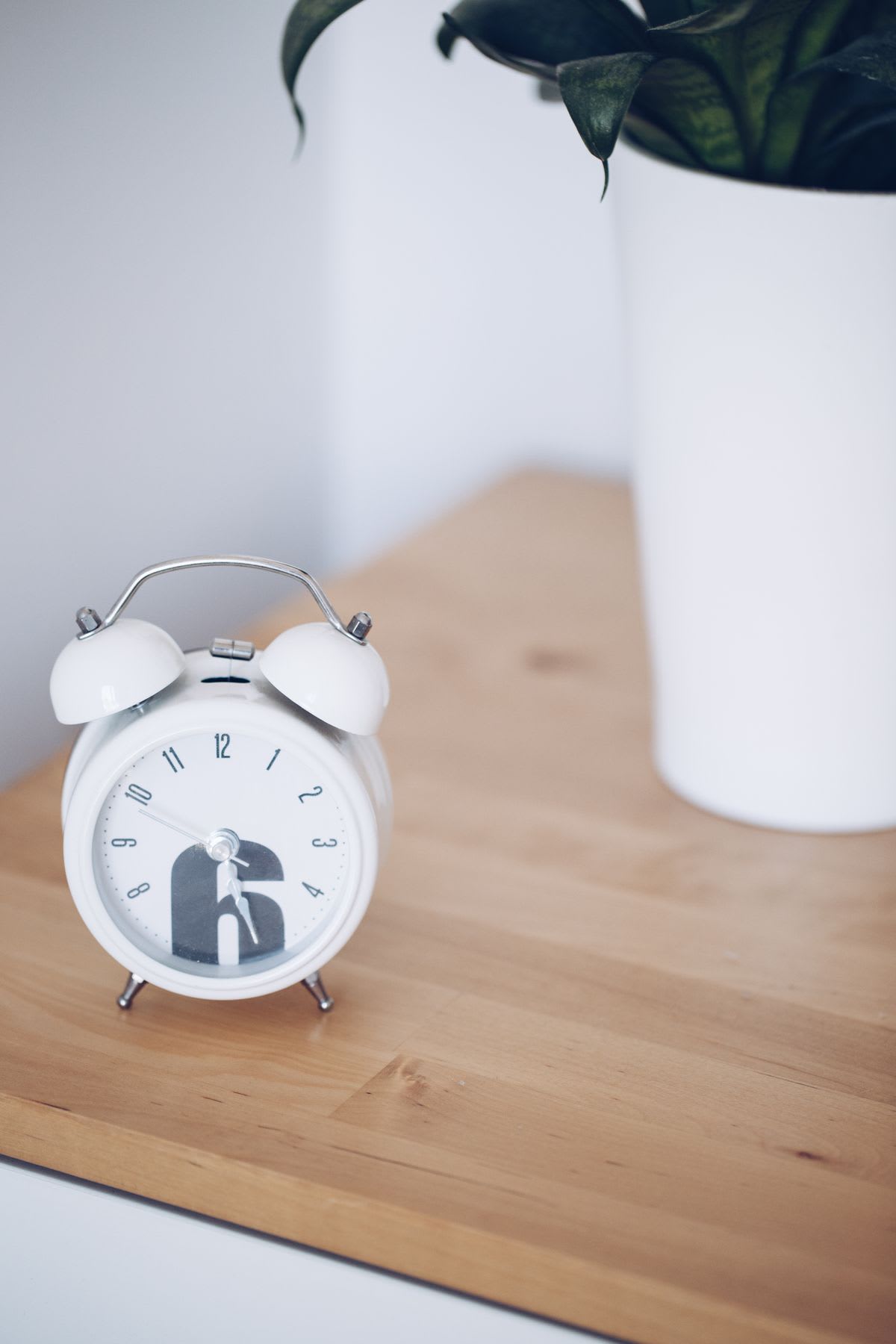
If you'd rather not juggle a separate timer and a notebook, a practice app can run the boxes and hold the notes in one place — it's part of what we built Practis to do, so weigh that accordingly: a per-session timer plus notes tied to the piece, so the next session opens already knowing which passage owns the hard-thing box. However you run it, time-boxing is the session-level version of a bigger habit; the same logic scaled up to the week is in how to make a weekly practice plan, and the warm-up box specifically gets its own treatment in how to warm up without wasting 20 minutes.
Common questions
Doesn't stopping mid-passage when the timer rings just hurt my progress?
It feels like it should, but it usually doesn't. Leaving a hard passage unfinished and returning to it tomorrow is distributed practice, and the overnight gap lets the skill consolidate — you'll often come back to it slightly better than you left it. What actually hurts progress is grinding one bar into the ground until you're tense and frustrated, which the hard stop prevents.
What if I only have ten minutes?
Then box ten minutes. Drop the warm-up to almost nothing, give eight minutes to the hard thing, and end with two minutes of something you enjoy so you leave wanting to come back. Ten focused, boxed minutes on the right passage beats a distracted half hour, and three ten-minute sessions across a week add up to real, spaced practice.
Won't a timer make practice feel stressful and mechanical?
For the first few sessions it can feel clinical, but most people find the opposite quickly takes over: the timer carries the planning and the worrying, so you're free to just play. Keep a box for playing purely for joy and the session never becomes pure drill. The structure exists to protect the music, not to replace it.
Try it for one week with a single template and a timer, and judge it by one question: at the end of the week, can you point to a passage that's genuinely better than it was on Monday? With boxed time you usually can, because the hard thing finally got its minutes. The hour you've been waiting for was never the answer. The twenty-five minutes you already have, given a shape, were.
More on practice tips.

Why Your Practice Time Is Lying to You (The Distribution Problem)
You practised the piece for 45 minutes. The timer agrees, and so does your memory. But "45 minutes on the piece" hides the only thing that matters — where in the piece those minutes actually went. And they almost always went to the wrong place.
Pract.is Editorial
Practice Tracking for Returning Musicians: Restarting Without the Guilt
The comeback rarely fails on the music — your hands recover faster than you think. It fails on the comparison: present-you measured against the best you ever were. Change the yardstick, and the guilt that makes returners quit again simply has nowhere to stand.
Pract.is Editorial

How to Use Practice Notes So They Actually Help Next Session
Most musicians don't have a note-writing problem. They have a note-reading problem — they journal diligently and never open it again. The fix is to write each note as an order to your next self, and to build the one trigger that makes you read it.
Pract.is Editorial