
Yunchan Lim's Goldberg Variations Went Viral. Here's What Non-Pianists Don't Understand About Why.
A lot of new listeners have found Yunchan Lim's Goldberg Variations through clips, streaming, and online discussion. This piece explains why the performance is landing so hard outside the usual classical audience, and what pianists hear in it that casual listeners can feel even if they cannot name it.
Pract.is
Research-based practice guidance from the Pract.is team.
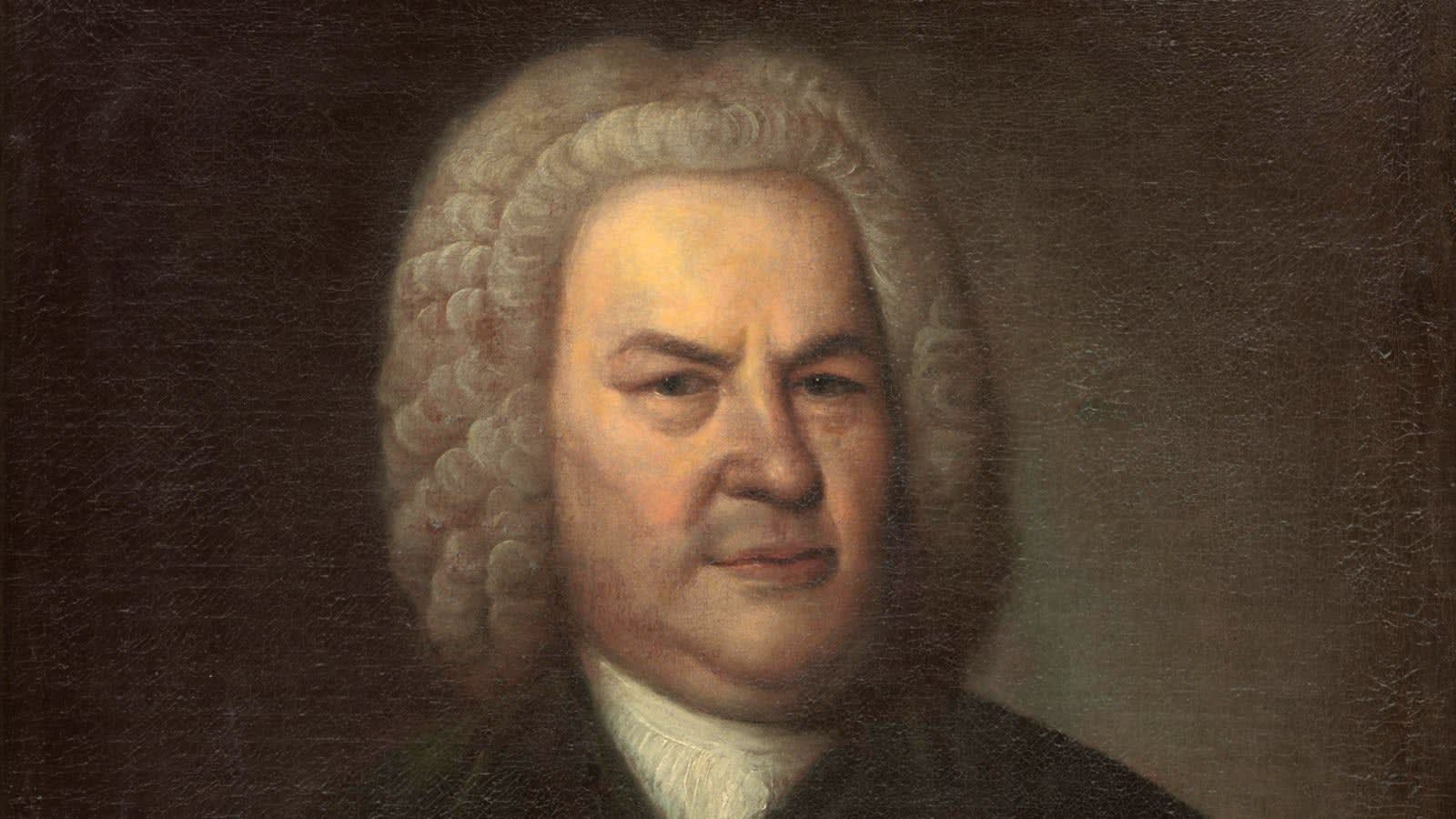
Yunchan Lim's Goldberg Variations are reaching people far outside the normal classical bubble. I do not think that is an accident, and I do not think it is only about hype.
What new listeners are responding to is something very real: this performance makes a difficult, massive work feel immediate. Not simplified. Immediate. That is much harder to do than playing fast or playing beautifully for isolated moments.
Context: Decca released Goldberg Variations: Live at Carnegie Hall on February 6, 2026, and Carnegie Hall's official YouTube channel has also published performance excerpts from the recital. This piece is a musical explanation of why the performance is cutting through, not a generic review.
First, a Clip Helps
If you have not heard the recording yet, start with the official Aria video released with the album campaign. It is the right entry point because it shows the exact sound world this post is talking about, not just a random Bach excerpt.
What Non-Pianists Usually Hear First
Most non-pianists are not thinking about finger substitution, contrapuntal voicing, or the architecture of thirty variations over a bass pattern. They are hearing something simpler and more important: total conviction.
This performance sounds like the pianist knows exactly where the line is going at every moment. That kind of certainty reads instantly, even if the listener has never opened a Bach score in their life.
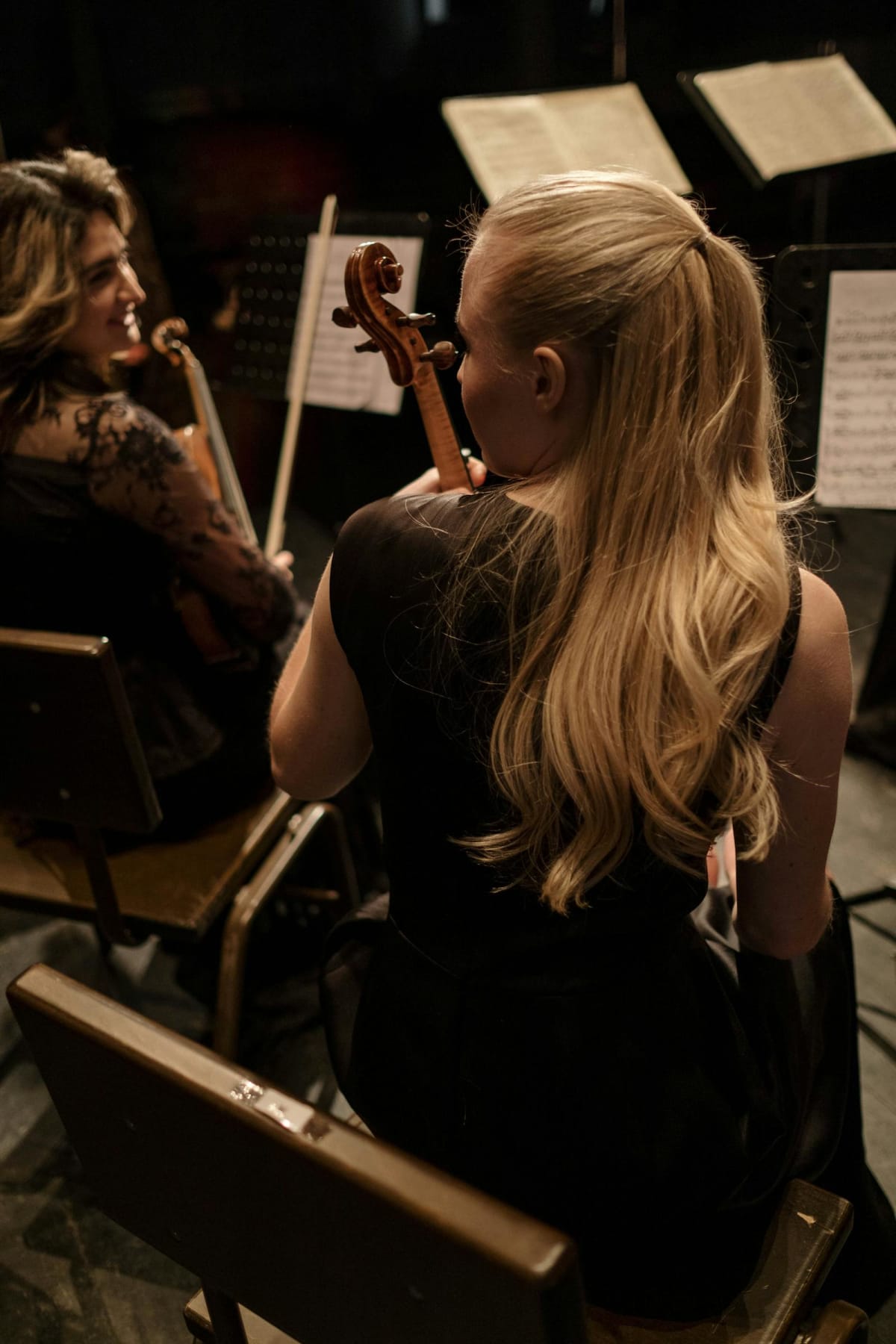
Photo: Mikhail Nilov via Pexels
Why This Performance Feels So Immediate
I think there are four big reasons.
1. The rhythm is alive
Bach dies quickly when a performer treats the music like a sacred object under glass. What makes Yunchan Lim's playing so arresting is that the pulse feels alive from inside. The rhythm is not mechanical, but it is never vague. You feel a body moving through the variations, not a student carefully demonstrating respect.
2. The voices are incredibly clear
One thing non-pianists absolutely can hear, even if they do not call it “voice leading,” is whether the music sounds crowded or legible. Here it sounds legible. Lines separate cleanly. Important notes speak. The texture breathes.
That matters because the Goldberg Variations can easily turn into elegant wallpaper in weaker performances. Here they do not. The inner machinery of the music stays audible.
3. The energy never becomes mere display
There are brilliant fast variations in this work, and there are places where a pianist can win easy applause by sounding dazzling. Yunchan Lim is certainly capable of that, but the feeling is bigger than brilliance. The speed and control serve a larger line. The performance keeps pulling forward.
4. The emotional tone is not sentimental
This is a huge part of why the performance lands with newer listeners. It does not beg for emotion. It trusts the music enough to let feeling emerge from clarity, tension, pacing, and color. That kind of restraint can be much more moving than obvious expressiveness.
What Pianists Hear That Casual Listeners May Not Have Words For
When pianists get excited about a performance like this, it is usually not because of one flashy variation. It is because of the scale of the control.
| What a casual listener may feel | What a pianist is often hearing underneath |
|---|---|
| "Everything sounds clear." | Voicing decisions are incredibly consistent across dense counterpoint. |
| "It never drags." | The long-form pacing is being controlled across the whole arc, not bar by bar. |
| "The fast parts feel easy." | The underlying technique is efficient enough that the musical line stays intact under pressure. |
| "The quiet parts feel intense." | Tension is being created through timing, sound, and harmonic awareness rather than exaggeration. |
That is what people often miss when they reduce a performance like this to “virtuosity.” Virtuosity is part of it, but it is not the deepest part. The deeper thing is coherence.
The Goldberg Variations Are Hard in a Way Non-Musicians Rarely See
When people think “hard piano piece,” they usually imagine octaves, jumps, speed, or huge romantic textures. The Goldberg Variations are hard in a different and in some ways more brutal way.
- You have to sustain focus over a very large structure.
- You have to project multiple voices clearly without muddying the texture.
- You have to shape contrast without breaking the architecture.
- You have to make extremely intelligent music sound natural.
That last point matters most. The audience should not hear calculation. They should hear inevitability. That is one reason performances like this feel almost shocking when they arrive: the labor disappears, but the structure remains.
Why It Is Connecting Beyond the Classical Core
I think this is where the internet angle matters. A performance does not spread now only because critics admire it. It spreads when a clip feels instantly compelling on its own terms. This one does.
It helps that Bach travels well in short excerpts. The rhythmic spine is strong. The texture is clean. The contrast between variations is obvious enough to register quickly. But that is not the whole story. Plenty of Bach clips exist online. Most do not cut through like this.
What cuts through is the combination of:
- technical command that reads immediately
- musical architecture that still works in fragments
- a young artist people want to watch closely
- a performance that feels serious without feeling dusty
This connects directly to what I wrote in the TikTok/classical piece. Short-form culture rewards impact, but now and then a clip works because the underlying artistry is genuinely exceptional.
What New Listeners Should Listen For
If you are new to this recording, do not worry about hearing everything at once. Listen for a few concrete things:
- Can you follow a line through the texture without it getting lost?
- Do the fast variations feel rushed, or do they feel inevitable?
- Do the quiet variations sag, or do they stay magnetically focused?
- When the Aria returns at the end, does it feel changed by everything that came before?
That last one is the test. A great Goldberg performance does not just survive the whole journey. It transforms the return.
My Real Answer
I do not think Yunchan Lim's Goldberg Variations are connecting with non-pianists because people suddenly decided to become specialists in Bach. I think they are connecting because the playing makes complexity feel readable, tension feel natural, and seriousness feel alive.
That is rare. And when it happens, people notice, even if they cannot yet explain what they are hearing.
If you want to understand the performance better, do the simplest useful thing: listen all the way through once, not just to the clips. The excerpts are the hook. The architecture is the point.
FAQ
Why are people talking so much about Yunchan Lim's Goldberg Variations?
Because the performance is landing with both serious classical listeners and newer audiences. It has the kind of clarity, control, and immediacy that works in short clips but also holds together across the full work.
Why are the Goldberg Variations such a big deal for pianists?
They demand long-form concentration, contrapuntal clarity, pacing, control of texture, and structural intelligence. The difficulty is not only speed. It is the ability to make a very large and intricate work feel inevitable.
Do you need to understand classical music theory to appreciate this performance?
No. Theory can deepen the experience, but what most people respond to first is clarity, pulse, confidence, contrast, and emotional control. Those things come across whether or not you know the terminology.
More on motivation.
Why Some Piano Prodigies Disappear in Their 20s
The transition from 'wunderkind on YouTube at 12' to 'working pianist at 24' is brutal — and most do not survive it. The structural reasons are specific and the few who navigate the gap share a recognisable pattern.
Pract.is Editorial
The Hidden Economics of Being a Concert Pianist in 2026
Most working concert pianists below the very top tier earn the majority of their income from teaching, adjudicating, and masterclasses — not from concerts. An honest breakdown of how the career math actually works in 2026.
Pract.is Editorial

Why Japanese Piano Education Produces So Many World-Class Pianists
Uchida, Sumino, Fujita, Kobayashi — the list of world-class Japanese pianists is striking and growing. The reasons are structural: Yamaha and Kawai's institutional reach, competition culture, early starts, and a pedagogy that treats music as serious work from age four.
Pract.is Editorial